Making inclusion a guaranteed solution: why insurance must become a strategic priority for financial inclusion

 For decades, financial institutions in Latin America and the Caribbean have sought to demonstrate that access to credit can transform lives. Millions of people have been able to invest in their businesses, increase their incomes, create jobs and improve their families’ living conditions thanks to financial services that were previously beyond their reach. However, financial progress and social impact remain fragile.
An illness, a flood, a drought, the loss of the household’s main breadwinner or any other unexpected event can wipe out years of effort and hard work in a matter of days. For millions of families, the difference between moving forward or falling behind depends not only on access to finance, but on having mechanisms that enable them to withstand such shocks when they occur.
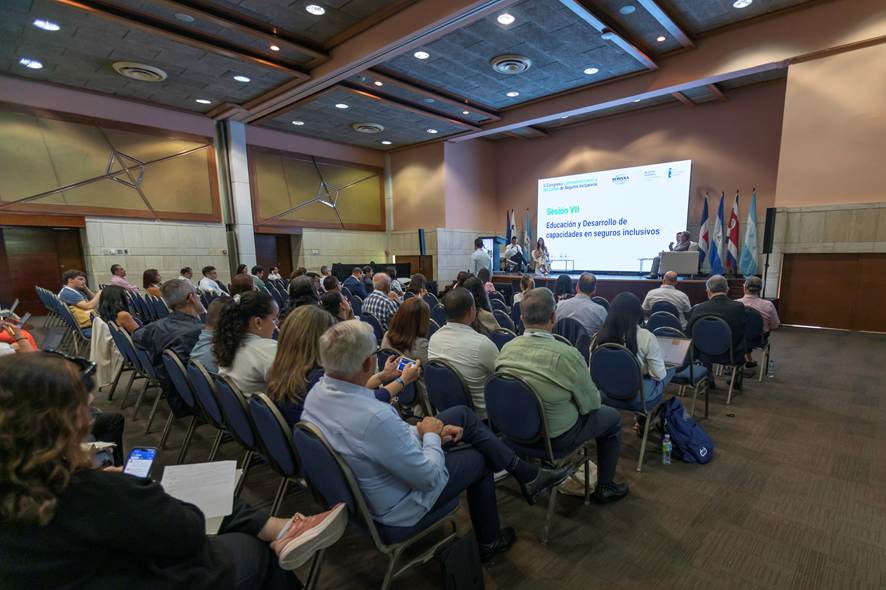
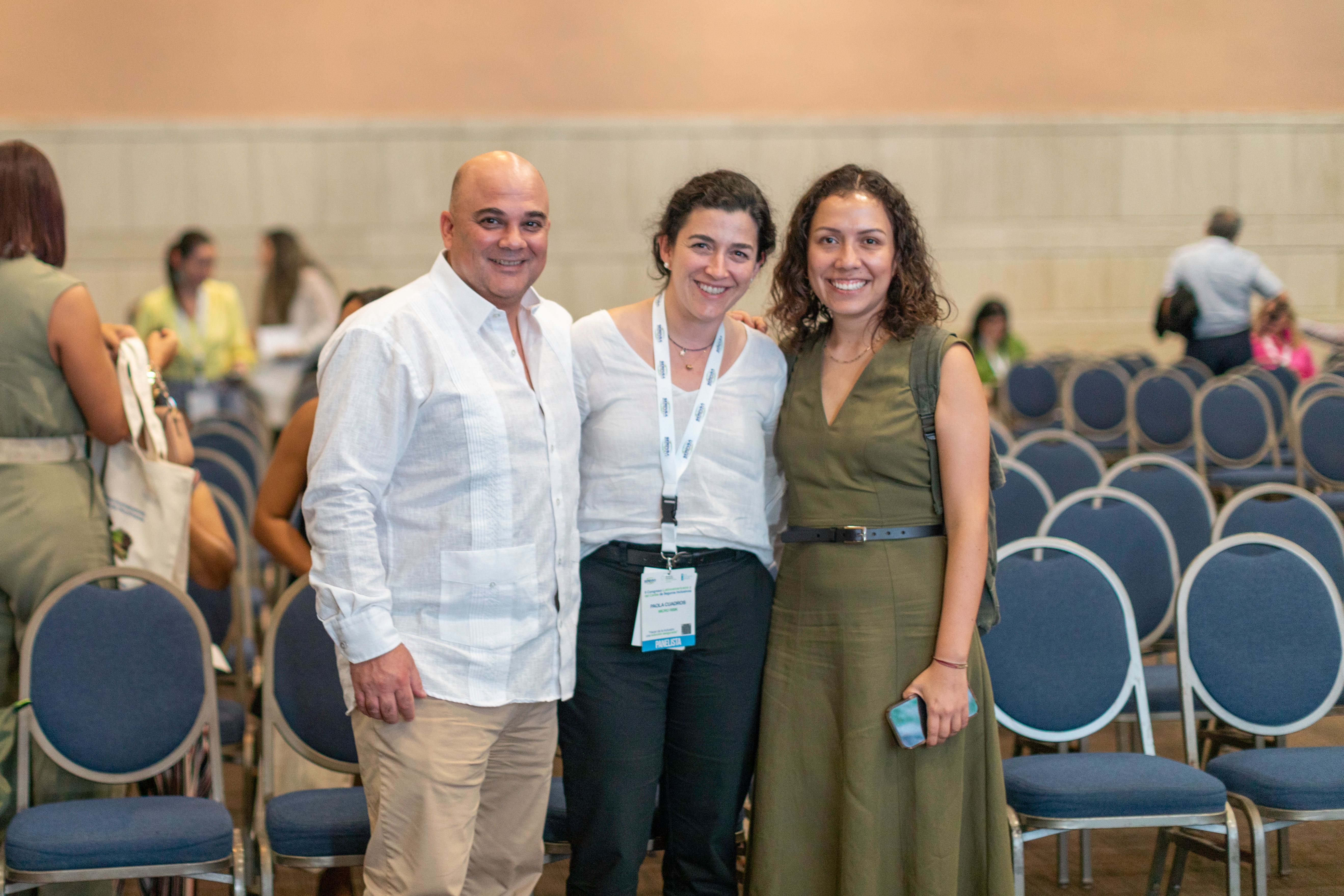
This was one of the most important insights to emerge during the Second Latin American and Caribbean Congress on Inclusive Insurance. Co-organised by the Munich Re Foundation, SERINSA and the Microinsurance Network – three organisations united by a shared vision: to promote solutions that strengthen the resilience of the most vulnerable and underserved individuals, households and markets in the face of the risks they encounter in their daily lives. Over two days, 160 representatives from insurers, microfinance institutions, development agencies, regulators, investors and sector associations agreed on a key message: financial inclusion and social wellbeing will not be complete until they incorporate effective protection mechanisms.
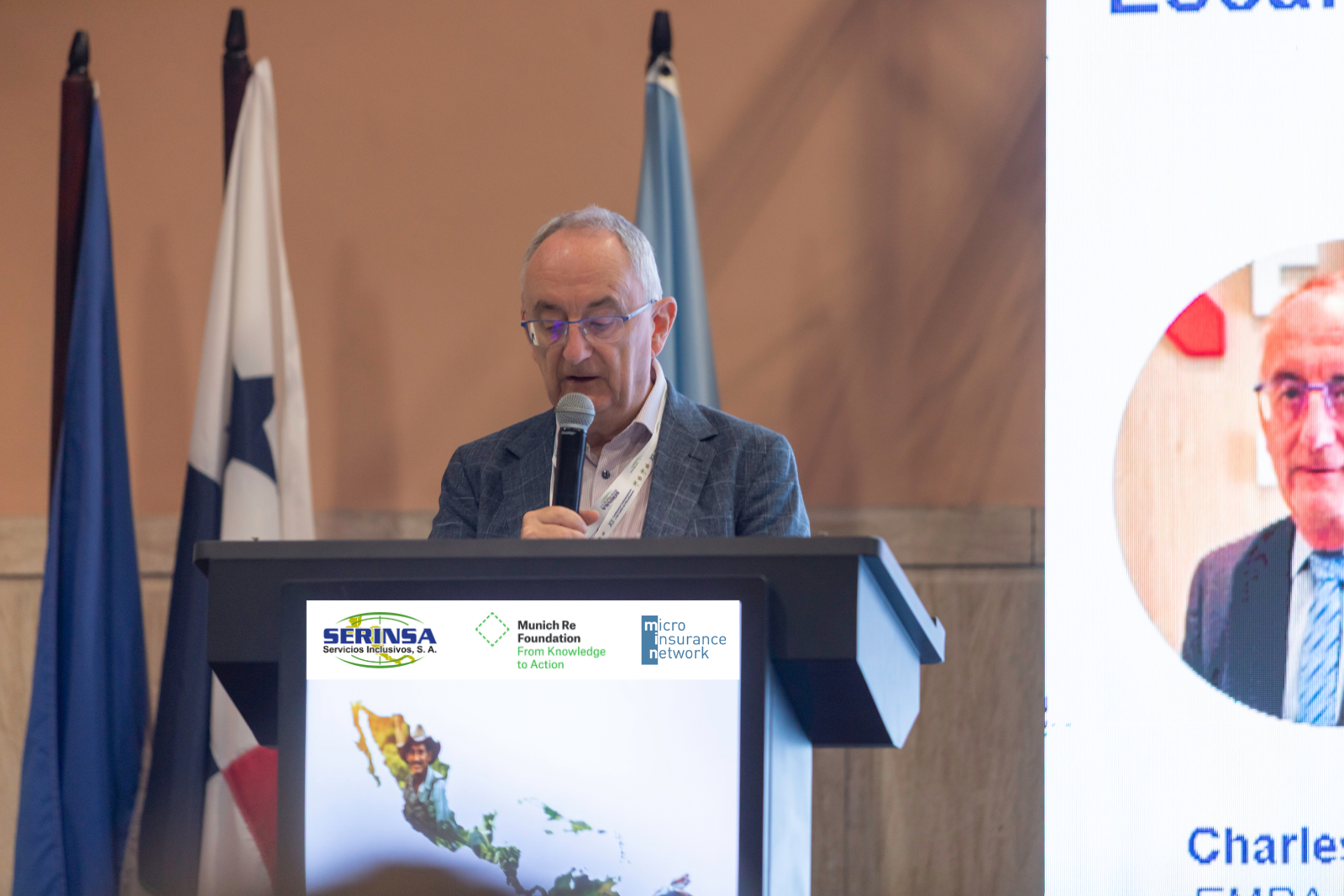
The discussion went far beyond insurance. It was, above all, a conversation about resilience, financial wellbeing, impact and development. This perspective was reinforced by the participation of Charles Schmit, Luxembourg’s Chargé d’Affaires in Costa Rica, who reaffirmed the Luxembourg Government’s interest in viewing insurance as a fundamental pillar of financial inclusion and highlighted the importance of collaboration between governments, the private sector, multilateral organisations, regulators and financial institutions. In this regard, it became clear that realising this potential requires much more than simply designing new policies: it demands building ecosystems capable of connecting people with protection solutions that meet their real needs.
1. The opportunity for the financial sector
Despite the progress made in recent decades, the protection gap in Latin America and the Caribbean remains enormous. Data from the Microinsurance Landscape Study show that the region barely achieves coverage of around 9.2 per cent of its potential market, meaning that over 90 per cent of the target population still lacks access to formal protection mechanisms.
This gap represents a strategic opportunity for the financial sector. According to the same study, around 60 per cent of inclusive insurance in Latin America and the Caribbean is sold through the financial system, confirming the role of financial institutions as channels of access to traditionally underserved populations. However, the product range still shows a high concentration on credit-related products. Globally, 40 per cent of inclusive insurance distributed through the financial system consists of life and credit life cover. This concentration also highlights the need to diversify protection solutions to address other risks that directly affect customers’ financial stability and the quality of portfolios.
One of the risks highlighted was climate-related. During the Congress, SIUCOM presented an analysis linking climate variables to portfolio performance. Using data on temperature and rainfall, the organisation found that relatively small variations — of the order of 0.5 °C in temperature and 1 mm in rainfall — were associated with increases of around 0.75% in default rates. This type of evidence shows that phenomena such as droughts, excessive rainfall or extreme temperature variations can directly affect the ability of farmers, micro-entrepreneurs and informal sector workers to make payments.
The consequences of this gap are particularly evident in sectors such as the agricultural sector. During the Congress, MiCRO Risk highlighted that 70 per cent of small-scale producers in Latin America lack any form of insurance to protect their economic activity. Furthermore, these producers are three times more likely to default on their financial obligations after experiencing an extreme weather event. In a region where natural disasters cause economic losses of around USD 290,000 million annually, protection can no longer be viewed as a luxury or an optional product; it is a necessity for the economic stability of millions of people.
Whilst insurance can help protect the sector’s portfolios, this perspective is insufficient. Traditionally, many financial institutions have viewed insurance as a complementary product linked to credit or as an additional source of revenue. However, its true potential goes far beyond this.
The Congress highlighted a reality that is often overlooked: when insurance works, it does not merely protect the financial institution. It protects the customer. It protects their business. It protects their income. It protects the progress they have managed to build. And when customers are more resilient, so are financial institutions. That is why insurance must be understood as a mechanism for preserving financial and social well-being, protecting people’s livelihoods and ensuring that the progress achieved through financial inclusion is not lost in the face of the next economic, climate or health shock.
2. Insurance protects much more than just a loan portfolio
Perhaps one of the most interesting messages to emerge from the Congress was that inclusive insurance should no longer be viewed as a secondary line of business but rather understood as an integral part of a financial inclusion strategy. It is therefore essential that the relationship between financial institutions and insurers is not limited to a tender process for the highest bidder, but evolves towards a more integrated collaboration, based on shared impact objectives.
The experience of REDCAMIF and SERINSA demonstrates precisely this potential. For years, both organisations have worked alongside financial institutions and insurers to develop solutions that meet the real needs of vulnerable communities. Their experience shows that credit and insurance are not separate tools. They are complementary mechanisms that fulfil different functions within the same overarching objective: to improve people’s financial well-being.
Credit enables progress. Insurance protects that progress. Without one of these components, financial inclusion remains incomplete.
The experiences shared during the Congress showed that insurance can play a much broader role than simply protecting a loan portfolio. When well-designed, it can become a gateway to financial and protection services for people who have historically been excluded from such solutions.
A clear example was the initiative presented by AXA involving rural women micro-entrepreneurs. In this programme, 60 per cent of participants stated that they were unaware of the existence of insurance tailored to their needs before taking out cover. This shows that, for many people, insurance can be one of their first encounters with a formal financial solution designed to protect their economic and productive circumstances. Even more revealing was the fact that 80 per cent of those who received a payout stated that they would not have been able to recover from the financial impact they suffered without the support of insurance. In other words, the cover not only protected a financial obligation; it protected the resilience of the female clients, their businesses and their livelihoods.
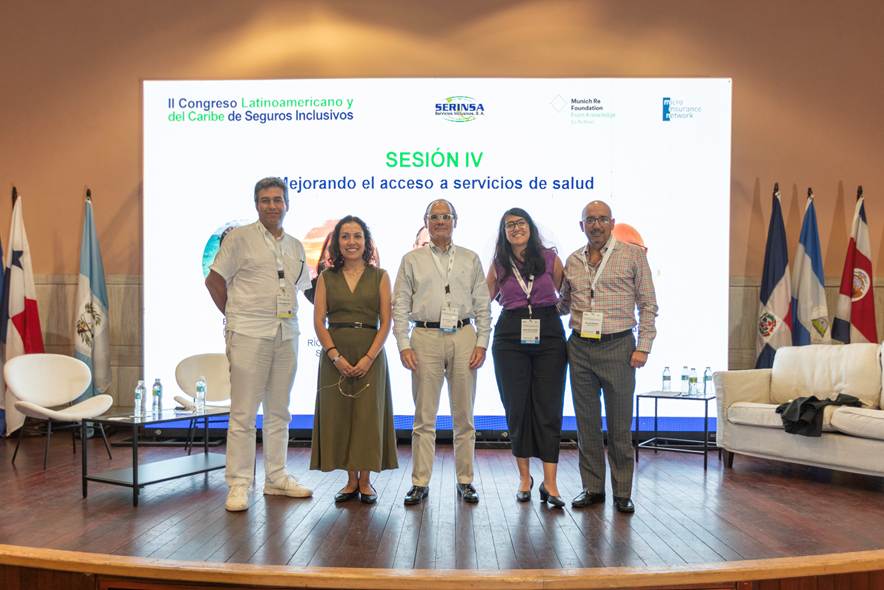
This potential is also evident in relation to risks such as health, one of the factors most likely to destabilise a household’s finances and affect its ability to pay. INMEDICAL’s experience in Ecuador demonstrated how health microinsurance can significantly reduce out-of-pocket expenses and bring essential services within reach of populations that had no other means of protection. According to their assessment, 87.3 per cent of users had no other insurance, whilst 97 per cent reported a reduction in their healthcare costs. This confirms that inclusive insurance schemes can be a practical tool for expanding access to services, reducing economic vulnerabilities and protecting families’ well-being.
In this context, supplementary health services also form part of a broader initiative to improve access to essential services amongst vulnerable populations and, at the same time, make the value of insurance more tangible. By offering medical advice, telemedicine, pharmacy discounts or support before an incident occurs, these solutions enable people to experience the benefits of cover in a more immediate and everyday way. This perspective was also reflected in the report prepared by the MiN’s Health Best Practices Group, presented during the conference, which highlighted the role of these services as a key complement to strengthening protection, trust and the effective use of inclusive health insurance.
These points are particularly relevant to the financial sector. Many cases of arrears do not stem from an unwillingness to pay, but from unexpected shocks: an illness, a family emergency, a loss of income or a weather-related event. Therefore, when insurance helps a family to cover medical expenses or maintain their livelihood after a crisis, it is also indirectly protecting the financial stability of both the customer and the institution.
The conference also showed that some financial institutions are already making this shift in mindset. BANFONDESA, for example, shared how it has managed to reach nearly 130,000 policyholders out of a customer base of around half a million. Beyond the figure itself, the most interesting aspect was the thinking behind this strategy: the institution stopped viewing insurance as an additional banking product and began to see it as a service that strengthens its value proposition for customers.
This shift in perspective is fundamental. When a financial institution views insurance as part of its inclusion strategy – and not merely as a complement to credit – it can offer solutions that protect income, health, businesses and family stability. Insurance, then, ceases to be a tool for covering losses and becomes a mechanism for preserving the progress that people have built up.
3. From opportunity to action: how can we build protection ecosystems that make an impact?
If one thing became clear during the Congress, it is that closing the protection gap does not depend solely on developing more products. It requires building ecosystems capable of generating value for people before, during and after a claim. The experiences shared by insurers, financial institutions, development organisations and technology providers helped to identify several common elements present in the most successful initiatives.
1. Design based on the customer’s real needs, not on the policy
One of the most frequently repeated recommendations during the Congress was the need to move away from designing products in the office and to get much closer to people’s realities. SERINSA, EstaCubierto.com, COOPHEL ASEI and Seguros Universales all agreed that understanding customers’ risks, behaviours and motivations is an essential first step before discussing cover, premiums or distribution channels. This involves using tools such as interviews, focus groups, prototypes and pilot tests to validate solutions before launching them onto the market.
The experience shared by Aseguradora Rural clearly illustrated this approach. Through a partnership with the World Food Programme (WFP) and MiCRO, the organisation has developed parametric solutions to protect smallholder farmers and micro-entrepreneurs vulnerable to droughts and excessive rainfall in Guatemala. The programme began with small-scale pilot schemes and subsequently expanded to cover thousands of people across various departments of the country. One of the key factors in its success has been the realisation that insurance is one component of a broader strategy for climate resilience and food security, tailored to the specific needs of rural communities.
Initiatives such as those by RUS, TeleMed and MiC Global reinforced this idea by demonstrating that the value of insurance should not be limited to the payment of compensation. The integration of telemedicine services, medical advice, digital healthcare and prevention programmes makes the benefits tangible for the customer even before a claim is made. These kinds of services help build trust, improve the user experience and turn insurance into an accessible and useful solution in everyday life, rather than a distant promise that only comes into play in the event of a loss.
2. Financial education must become education in risk management
Another cross-cutting consensus was that financial education can no longer be viewed as a sales tool. Rural Inclusion, Milliman, Fasecolda and Figuro argued that the real objective must be to help people understand the risks they face and develop the ability to make decisions to manage them. The evidence shared during the session showed that behavioural change does not depend solely on technical knowledge, but on factors such as risk awareness and a willingness to act in the face of those risks.
However, education should not be directed solely at the end customer. Several case studies indicate that credit officers, agents, brokers, regulators and distributors also need to develop the capacity to understand the role that insurance plays within financial inclusion. The case study presented by Milliman in Malawi showed, for example, how the involvement of trained community leaders helped to better explain the benefits of insurance and build trust among potential policyholders. The process also highlighted the importance of designing simple materials tailored to the local context, as well as practical tools to ensure customers truly understood what they were purchasing.
3. Achieving scale requires expanding the distribution ecosystem
Financial institutions will continue to be one of the most important channels for inclusive insurance. Their proximity to customers, collection capacity and market knowledge make them key strategic partners. However, the model is evolving and traditional channels are no longer sufficient.
More and more organisations are bringing new players into the ecosystem: cooperatives, producer associations, pharmacies, health centres, retailers, digital platforms and community organisations. AXA’s experience in Nigeria was a prime example of this trend. Rather than attempting to bring healthcare services directly to vulnerable populations, the company worked with local pharmacies to integrate telemedicine services into their operations. The pharmacies not only facilitated access but also provided trust, proximity and customer knowledge. The result was a more accessible and relevant solution for the communities served, which fostered customer loyalty towards both the insurance provider and the pharmacy.
This type of experience reflects a significant shift. The best partners are no longer merely those who enable the sale of a policy, the collection of a premium or the payment of a claim. They are also those who help to remove friction, build trust, facilitate access to services and improve customer experience.
4. Public-private partnerships are essential for creating sustainable markets
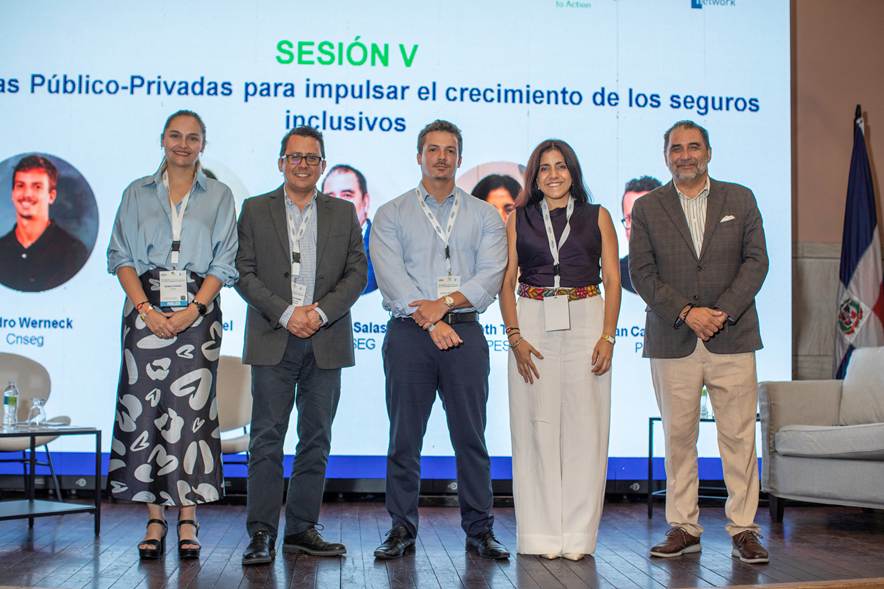
Another key lesson was that inclusive insurance cannot be developed in isolation. Representatives from APESEG (Peru), FEDESEG (Ecuador), CNseg (Brazil) and PALIG agreed that trade bodies and associations play a fundamental role in creating enabling conditions for the market to function more efficiently. Their role is not to sell insurance, but to coordinate stakeholders, promote best practice, drive public policy and build capacity. Based on PALIG’s experience, this coordination between stakeholders has enabled it to generate more than USD 15 million in premiums and reach nearly 1.2 million insured people across five countries, demonstrating the potential of coordinated efforts between insurers, distributors and support organisations.
5. Mobilising capital requires more than just funding
Contributions from ADA, the World Food Programme (WFP), UNDP, IDB Invest and the Government of Luxembourg made it clear that the challenge is not merely about securing resources. The trend is moving towards incorporating solutions that combine blended finance, technical assistance mechanisms, regulatory innovation and institutional strengthening, all of which can help mobilise investment towards traditionally underserved sectors such as agriculture, health and climate risk. The message was particularly relevant for Latin America and the Caribbean: successful ecosystems require capital, but they also need local capacity, quality data, appropriate regulatory frameworks and organisations capable of implementing solutions on the ground.
4. From inclusion to resilience
The discussions held at the Congress reflect the evolution the sector is undergoing. Inclusive insurance is no longer seen solely as a product aimed at low-income populations. It is increasingly understood as a tool for strengthening the economic, social and climate resilience of millions of people. Given that the region already possesses technical expertise, innovation, distribution channels and successful case studies, the question is no longer whether inclusive insurance can make an impact. The real question is this: what partnerships, capabilities and institutional changes do we need to scale up this protection to the extent required by millions of people in Latin America and the Caribbean?