Sustainability as a driver of transformation in the insurance sector: lessons learnt and challenges in building resilience
By Alejandra Salazar, Financial Inclusion Coordinator at Fasecolda.
A few years ago, discussing sustainability in the insurance industry might have been seen as a conversation running parallel to the core business. Today, the exact opposite is true: sustainability permeates the way we understand risk, design products, incorporate technology, strengthen financial inclusion and envisage the sector’s future.
At FASECOLDA, the trade association representing the Colombian insurance industry and driving initiatives to strengthen sustainability and financial inclusion, we have seen how discussions that once seemed peripheral now occupy a central place among the sector’s strategic priorities.
Sustainability as a new way of understanding risk
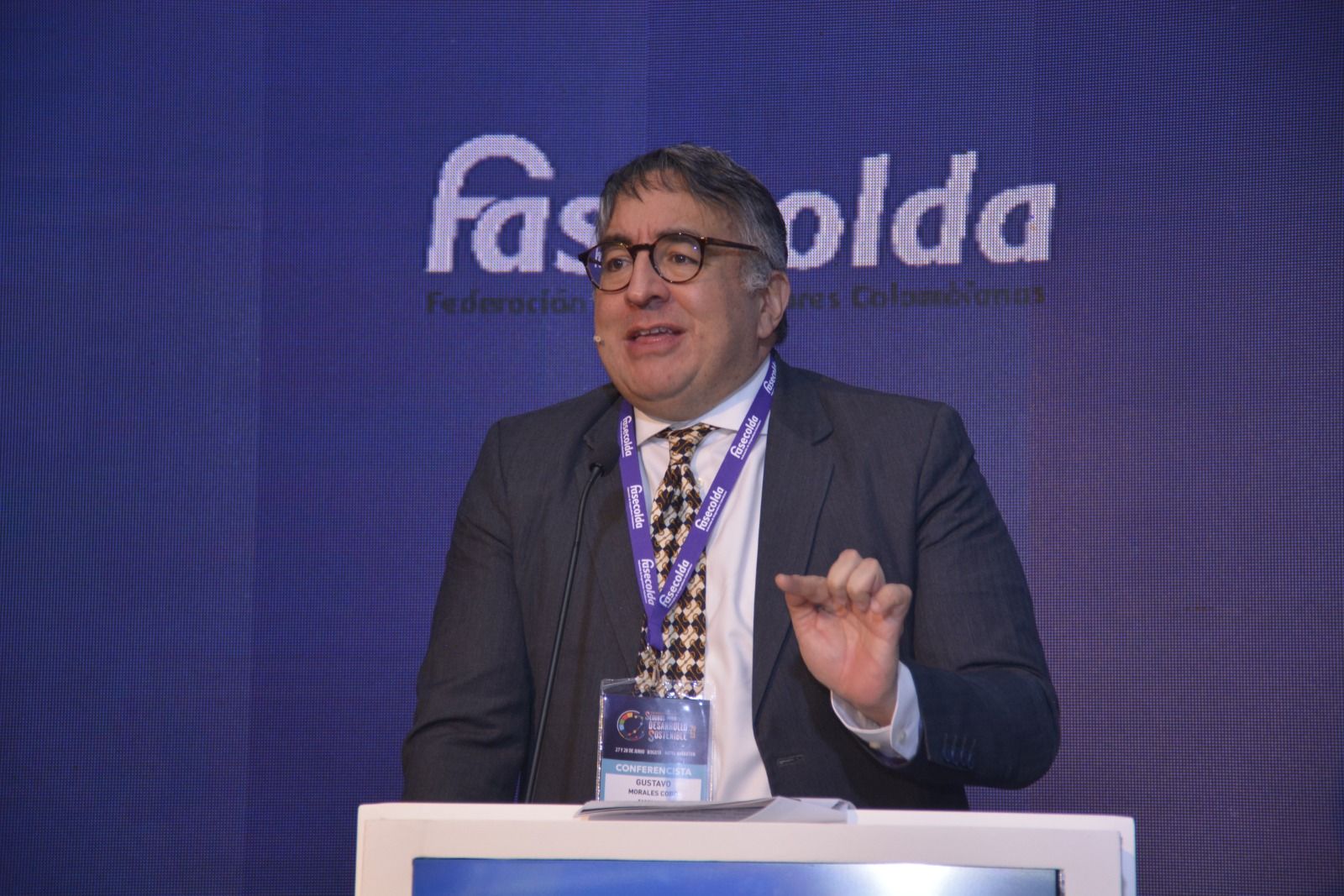
This shift has also transformed the discussions we lead at FASECOLDA. When we organised the 2023 International Seminar on Insurance for Sustainable Development, we held a firm conviction: the future of insurance would depend on the sector’s ability to anticipate increasingly complex risks whilst expanding access to protection mechanisms for more people, households and businesses.
The discussion at that time was dominated by issues that are even more pressing today: climate change, biodiversity, innovation, artificial intelligence and data protection. But perhaps one of the key lessons was the realisation that sustainability and financial inclusion are not separate agendas.
In Colombia, millions of people continue to face risks without adequate protection mechanisms. Extreme weather events, digital divides, economic vulnerability and cyber risks highlight that building resilience requires moving towards an insurance market that is more accessible, more responsive and better suited to the real needs of the population.
In this context, strengthening inclusive protection solutions is becoming increasingly important. Bringing protection mechanisms to traditionally underserved populations does more than expand coverage; it also helps reduce vulnerabilities and strengthen the resilience of individuals, households and small businesses in the face of unexpected events.
Lessons on inclusion and protection
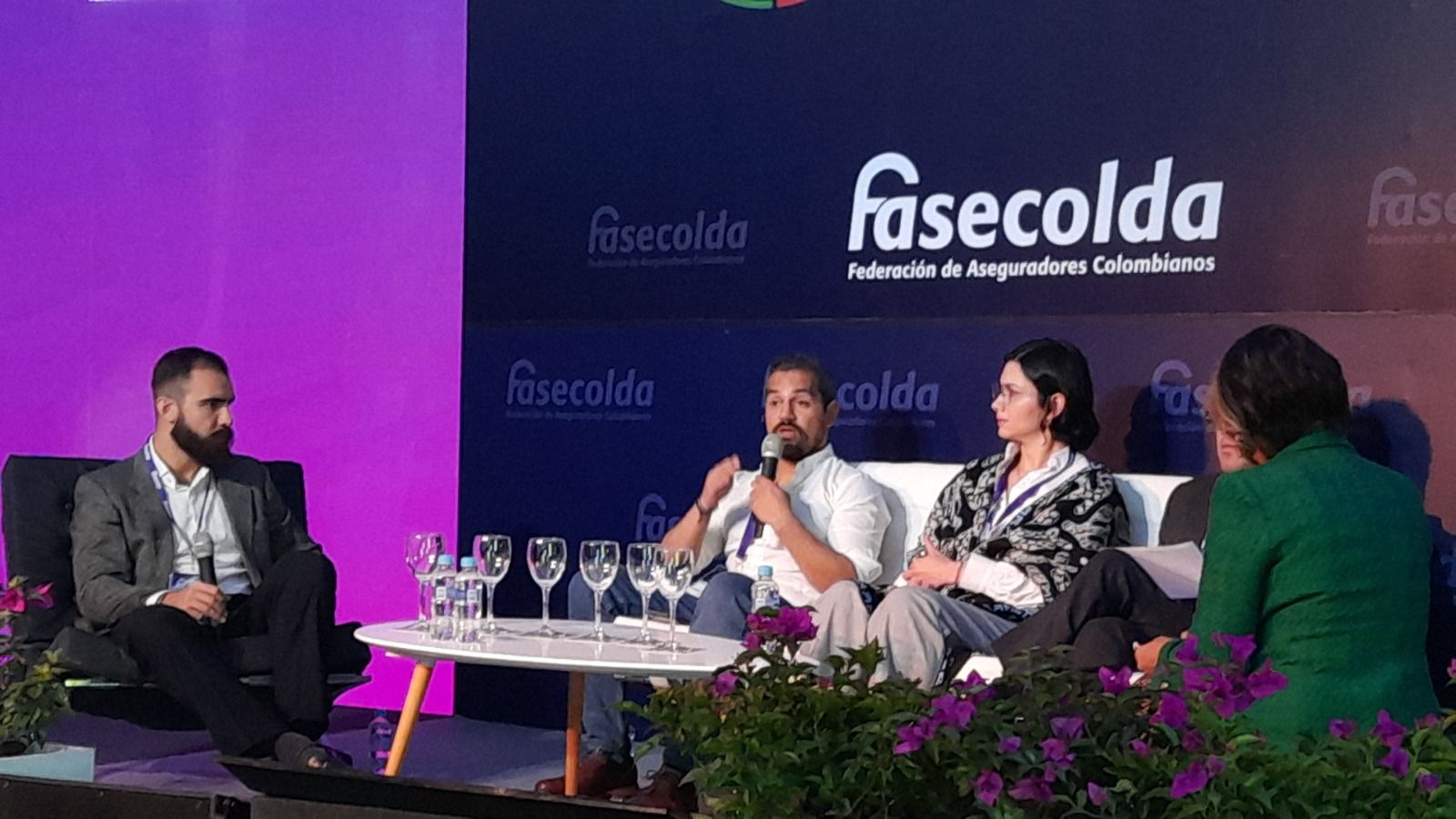
One of the most significant discussions at the 2023 Seminar centred on a seemingly simple question: what would a world without insurance be like?
This reflection served as a reminder that insurance does more than protect assets; it also generates stability, facilitates recovery from crises and creates the conditions for economic and social development.
We also came to understand that innovation can no longer be viewed solely as a means of improving operational efficiency.
Innovation, technology and new challenges
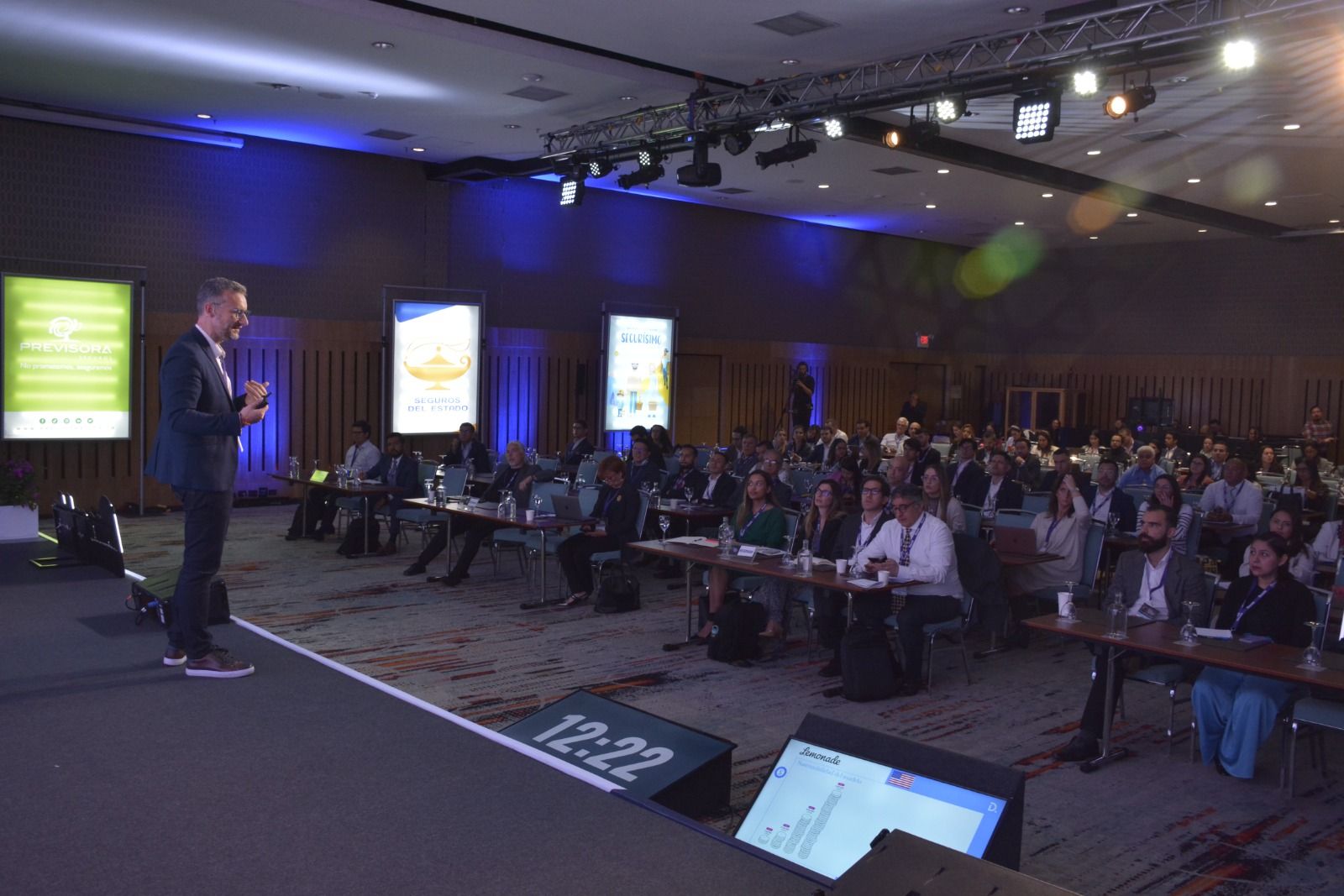
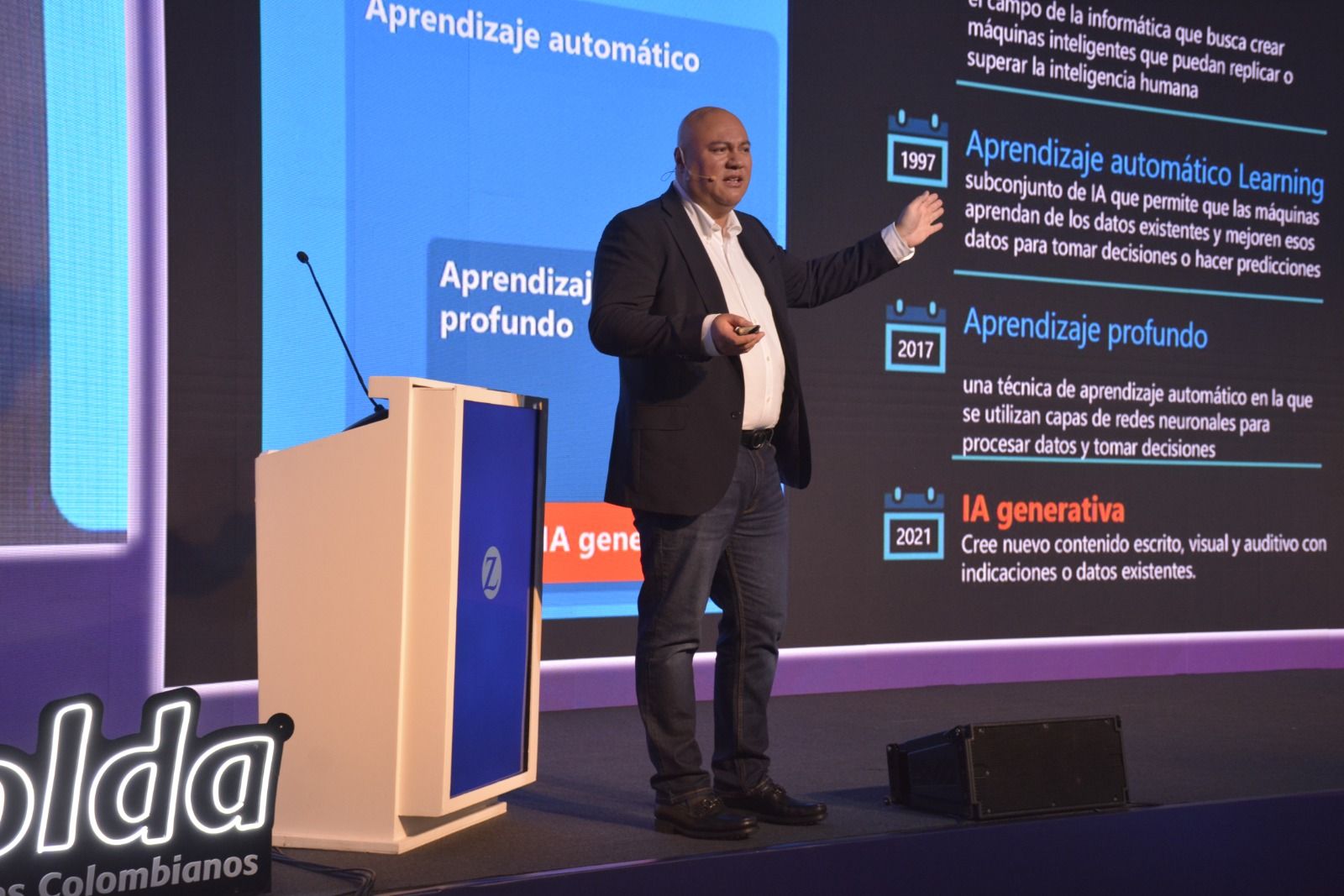
Technology, data models, insurtech, open finance and artificial intelligence are redefining the sector’s ability to reach historically underserved populations and build simpler, more personalised and affordable products.
Beyond optimising processes, these tools are opening up opportunities to design solutions that are more closely aligned with people’s realities and to move towards more inclusive protection models, especially for those who have historically faced greater barriers to access.
As a trade association, another key lesson has been recognising that these challenges cannot be tackled in isolation. Sustainability demands coordination between insurers, regulators, technology companies, multilateral organisations, academia and the public sector. It requires building capabilities in risk prevention, data management, innovation and financial education, particularly in an environment where risks are evolving faster than ever before.
The conversation continues
It is precisely this journey that is leading Fasecolda to a new edition of the 2026 International Congress on Insurance for Sustainable Development, which we will be holding on 8 and 9 July at the Hotel Tequendama in Bogotá.
On this occasion, the discussion will focus on five priority themes for the Colombian insurance sector: climate change, natural disasters, biodiversity, cybersecurity and financial inclusion. Building on these themes, we will examine natural risk modelling, artificial intelligence, open finance, data protection and technological innovation.
More than just an academic forum, this Congress aims to further consolidate a strategic dialogue for the country’s future. This is because the sustainability of the insurance industry will depend not only on its ability to manage risks, but also on its capacity to actively contribute to reducing vulnerabilities, strengthening resilience and expanding access to protection for more people.
Building a more sustainable insurance sector also means moving towards protection mechanisms that meet the needs of those who still face higher levels of exposure and fewer opportunities for access. This challenge will remain one of the most important tasks for the future of the insurance ecosystem.
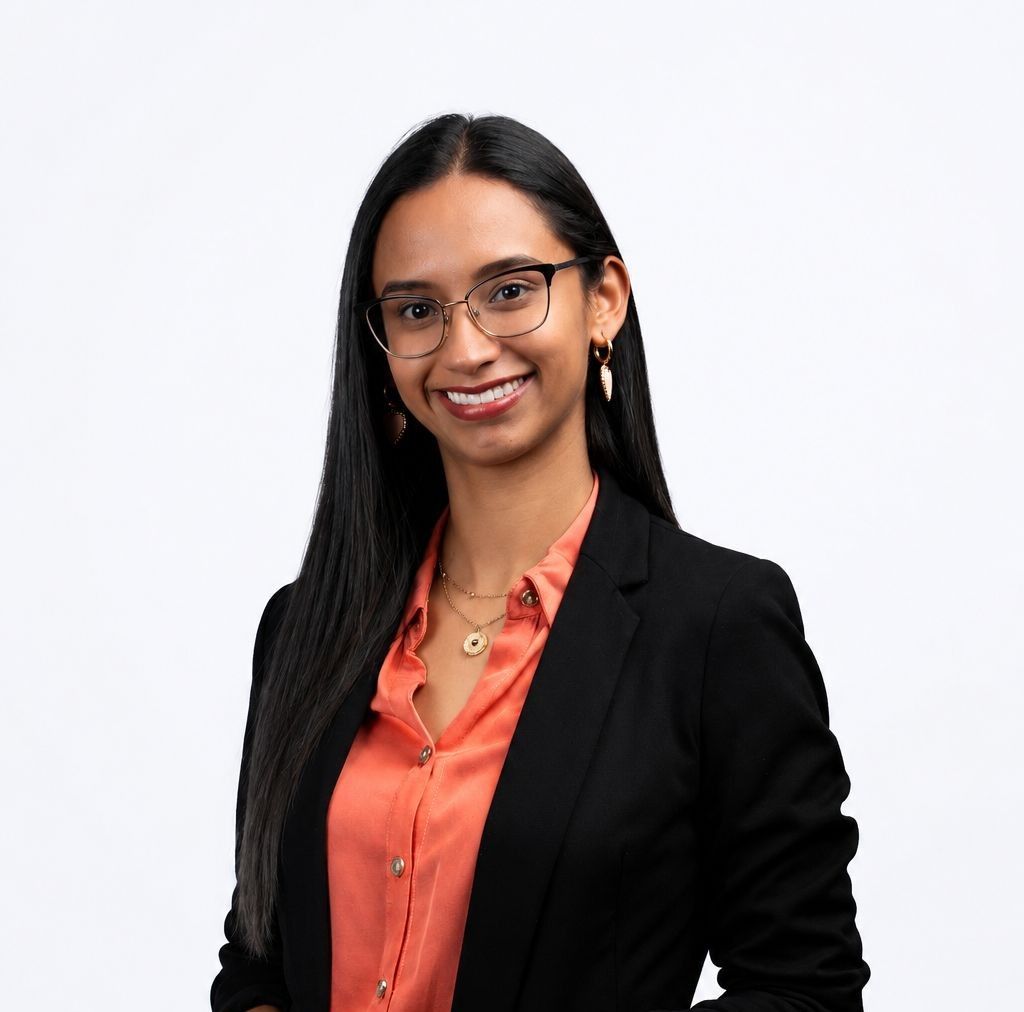
Alejandra Salazar is an economist with a master’s degree in Public Policy and more than six years of experience in the insurance sector. She currently serves as Financial Inclusion Coordinator at Fasecolda, where she leads initiatives aimed at promoting the access, use, and development of inclusive insurance, as well as coordination with different sectors to drive strategies that strengthen financial protection and contribute to closing protection gaps.